Tourist potential: 1.5 million annually (current 0.1%)
Get to know us
Abundant Agricultural Resources
Guinea-Bissau’s fertile land, comprising 60% arable terrain, forms the cornerstone of its economic prowess. With vast expanses primed for cultivation, the nation presents an agricultural haven ripe for investment and innovation. From rice paddies to cashew orchards, the agricultural sector beckons with promise, offering opportunities for increased productivity and value addition.
Get to know us
Riches in Natural Resources
Beyond its verdant fields, Guinea-Bissau boasts a treasure trove of natural wealth. Its fisheries teem with marine bounty, while its forests harbor valuable timber reserves. Moreover, deposits of bauxite and phosphate underscore the nation’s mineral potential. Harnessing these resources sustainably not only fuels economic growth but also lays the groundwork for environmental stewardship and long-term prosperity.
Get to know us
Strategic Positioning for Trade
Situated at the crossroads of West Africa, Guinea-Bissau enjoys a strategic vantage point for regional and international trade. Its proximity to key markets within the Economic Community of West African States (ECOWAS) enhances its trade potential, facilitating the flow of goods and services across borders. By leveraging its strategic location, Guinea-Bissau stands poised to emerge as a pivotal player in the global marketplace.
Get to know us
Renewable Energy Revolution
In the quest for sustainable development, Guinea-Bissau embraces the renewable energy revolution. Abundant sunlight and brisk winds offer untapped potential for solar and wind energy generation. By investing in renewable infrastructure, the nation not only bolsters energy security but also reduces its carbon footprint, paving the way for a greener, more resilient future.
Get to know us
Tourism: Gateway to Growth
Nestled along its pristine coastline lies Guinea-Bissau’s hidden gem: its burgeoning tourism industry. Boasting diverse ecosystems, cultural heritage sites, and sun-kissed beaches, the nation beckons travelers seeking authentic experiences. By investing in tourism infrastructure and promoting sustainable practices, Guinea-Bissau taps into this lucrative market, fostering economic growth while preserving its natural and cultural treasures.
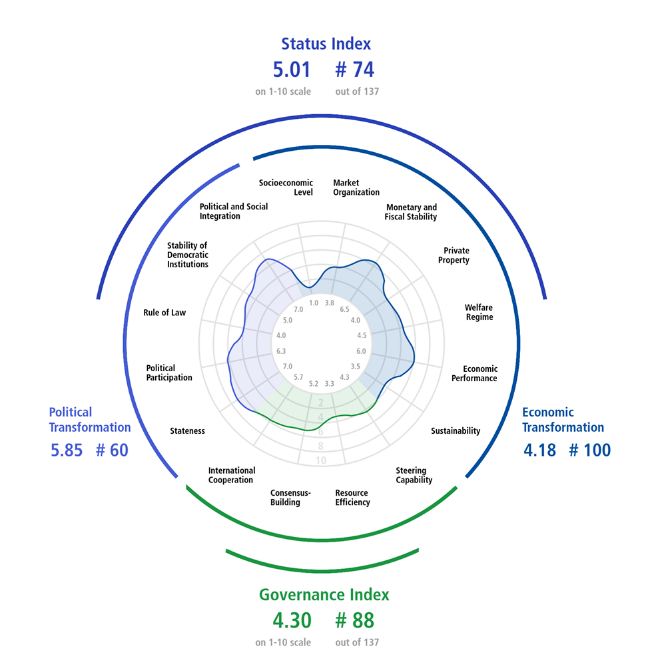
Guinea-Bissau Country Report 2022
This report covers the period from February 1, 2019 to January 31, 2021. The BTI assesses the transformation toward democracy and a market economy as well as the quality of governance in 137 countries.